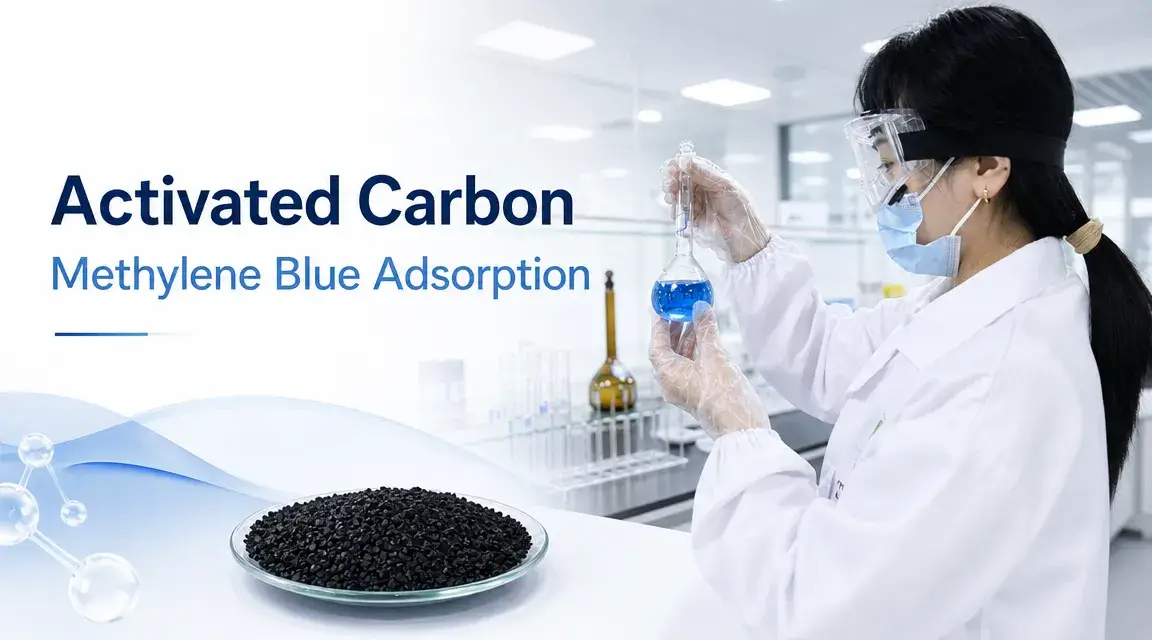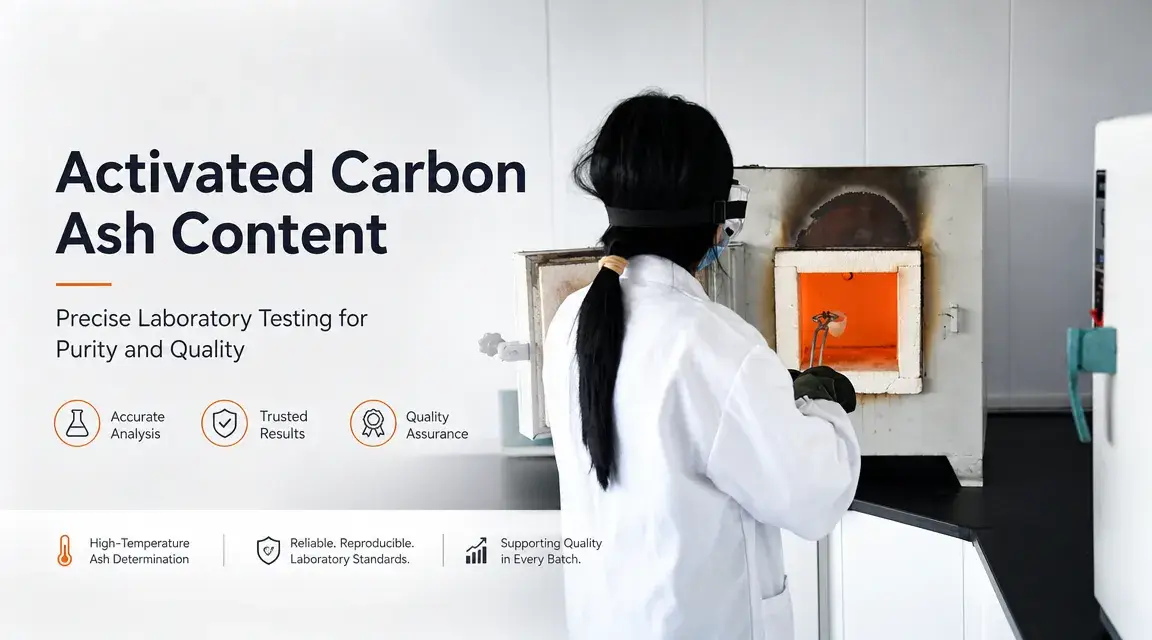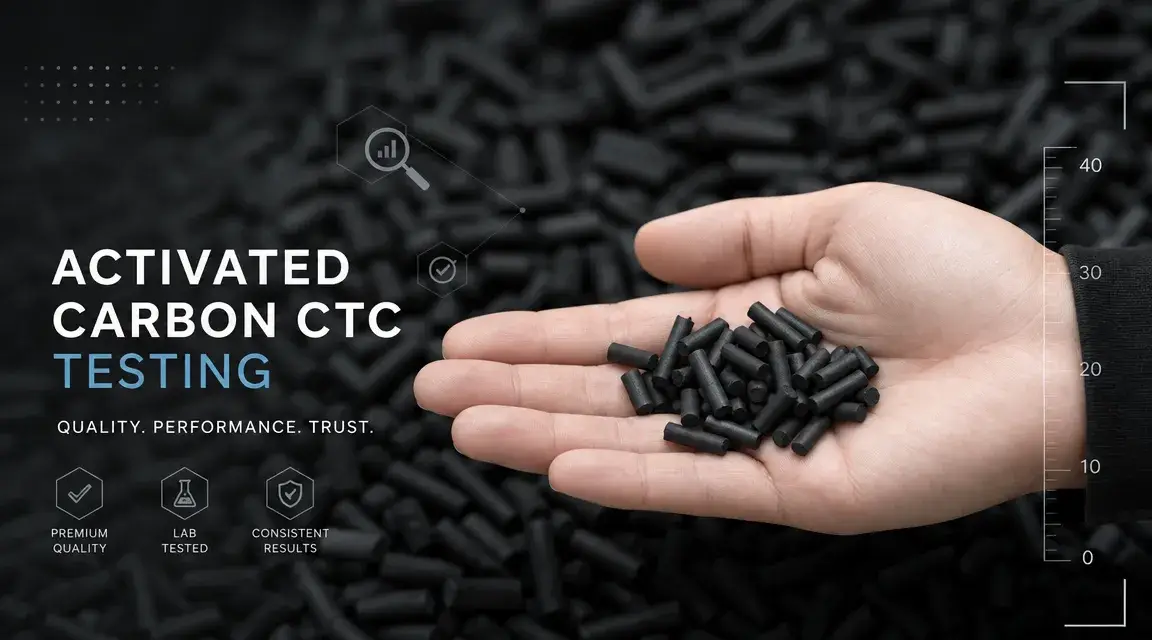
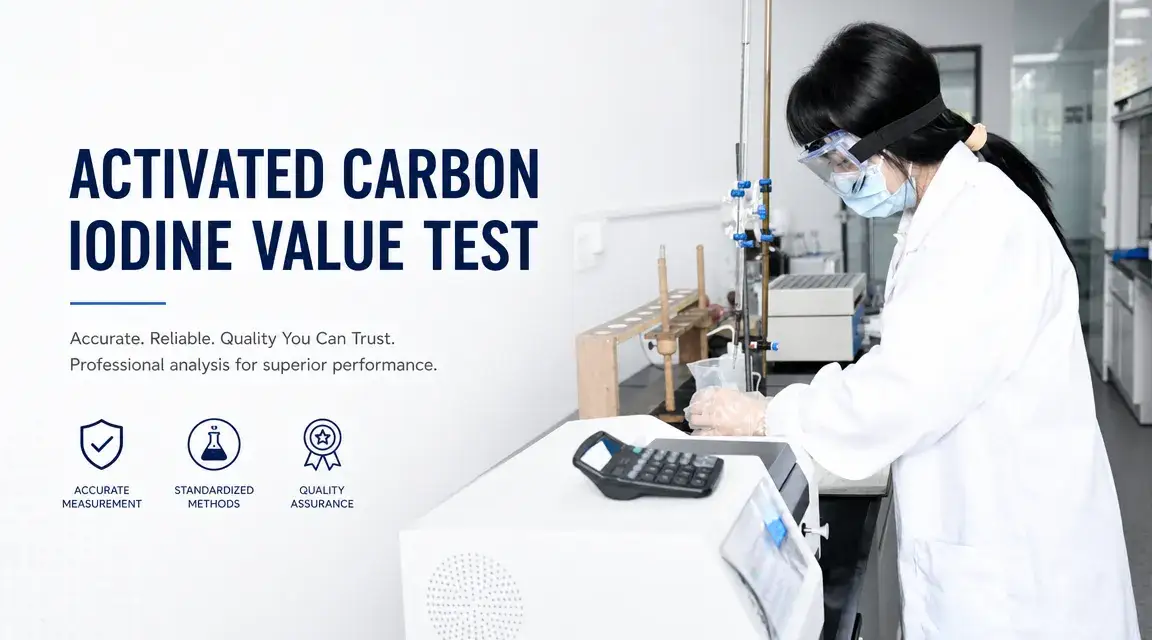
Iodine number is a common activated carbon specification used as a reference for micropore adsorption capacity. It can help buyers compare grades for water polishing and adsorption of smaller molecules, but it should not be treated as a universal quality score. A higher iodine number is useful only when it matches the application.
When Iodine Number Helps
Iodine number is most useful when the treatment goal involves smaller dissolved organic molecules or water polishing. Buyers often use it to compare granular activated carbon, coconut shell activated carbon, and coal-based activated carbon grades intended for similar uses.
It is less useful when the real problem is color removal, oil removal, large organic molecules, gas-phase VOC adsorption, or mechanical durability.
[[cta:help]]
Why Higher Is Not Always Better
A higher iodine number can cost more. That cost may be justified in some water polishing projects, but it may be wasted in applications where particle size, hardness, ash, pH, dosage, or filtration behavior is the real limiting factor.
For example:
- A high-iodine powder can still filter slowly.
- A high-iodine granular carbon can still create pressure drop if the particle size is wrong.
- A high-iodine grade may not remove larger color bodies efficiently.
- A gold recovery carbon needs hardness and attrition resistance, not iodine number alone.
[[product:coconutShell]]
How Buyers Should Use It
Use iodine number as one screening parameter, then compare it against the actual job.
| Buying Situation | How to Treat Iodine Number |
|---|---|
| Water polishing | Useful comparison reference |
| Drinking water filtration | Useful, but check ash, pH, particle size, and hardness |
| Wastewater polishing | Useful only if target contaminants fit the pore structure |
| Decolorization | Do not rely on iodine number alone |
| VOC treatment | CTC value and gas conditions usually matter more |
| Gold recovery | Mechanical strength and circuit fit are more important |
For a broader checklist, read 10 Activated Carbon Specifications Every Industrial Buyer Should Check.
What to Send for a Recommendation
If you ask Tanjin Carbon about iodine number, include the application, target contaminant, product form, equipment type, and current grade if available. We can help decide whether iodine number should drive the purchase or whether another parameter matters more.
Source
Interested in Our Products?
Leave us a message and we'll get back to you within 24 hours.