The lowest activated carbon price per ton is not always the lowest cost in use. A cheaper grade can cost more if it needs higher dosage, creates dust, blocks equipment, or has to be replaced more often. Long-term cost depends on service life, handling loss, pressure drop, labor, freight, packaging, and how consistently the supplier can deliver the same grade.
Measure Cost by Use, Not by Ton
Activated carbon is usually quoted by ton, but the buyer pays for performance over time. A grade that lasts longer or uses a lower dosage can be more economical even if the initial price is higher.
The better comparison is:
| Cost Area | What to Compare |
|---|---|
| Purchase price | Price per ton under the same delivery term |
| Service life | Replacement interval or dosage rate |
| Equipment impact | Pressure drop, dust, fines, backwash loss |
| Logistics | Packing, loading quantity, freight, storage |
| Labor | Filling, changeout, cleaning, disposal |
| Repeat supply | Whether the same grade can be delivered consistently |
This is why price comparison should start with the application. A water filter, VOC adsorption box, powdered dosing process, and gold recovery circuit all create different operating costs.
[[cta:quote]]
Choose the Grade Around the Failure Point
Most activated carbon costs rise because something fails earlier than expected. The carbon saturates too fast, pressure drop increases, powder filtration is slow, dust becomes a complaint, or a fixed bed loses capacity because the particle size is wrong.
Find the main cost pressure first:
- If replacement is too frequent, look at adsorption fit and contact time.
- If pressure drop is high, review particle size, pellet form, and bed design.
- If dust is the issue, review hardness, handling, and packaging.
- If dosage is high, compare real process trial results rather than only specification numbers.
- If landed cost is high, review packaging and container loading.
For fixed-bed systems, granular activated carbon is often a better starting point than powdered carbon. For gas systems, pellet activated carbon may help when airflow and pressure drop matter.
[[product:granular]]
Do Not Overbuy Specifications
Some buyers reduce cost by choosing cheaper carbon. Others reduce cost by avoiding unnecessary high specifications.
If the application does not need very low ash, a premium washed grade may not be necessary. If the process is not gas-phase, CTC value may not be the main cost driver. If the equipment cannot use fine particles, a finer mesh may cause more problems than benefits.
The goal is not to buy the highest number. The goal is to buy the grade that solves the process at the lowest stable operating cost. See 10 Activated Carbon Specifications Every Industrial Buyer Should Check for context, but treat specifications as selection tools, not trophies.
Packaging and Freight Can Change the Economics
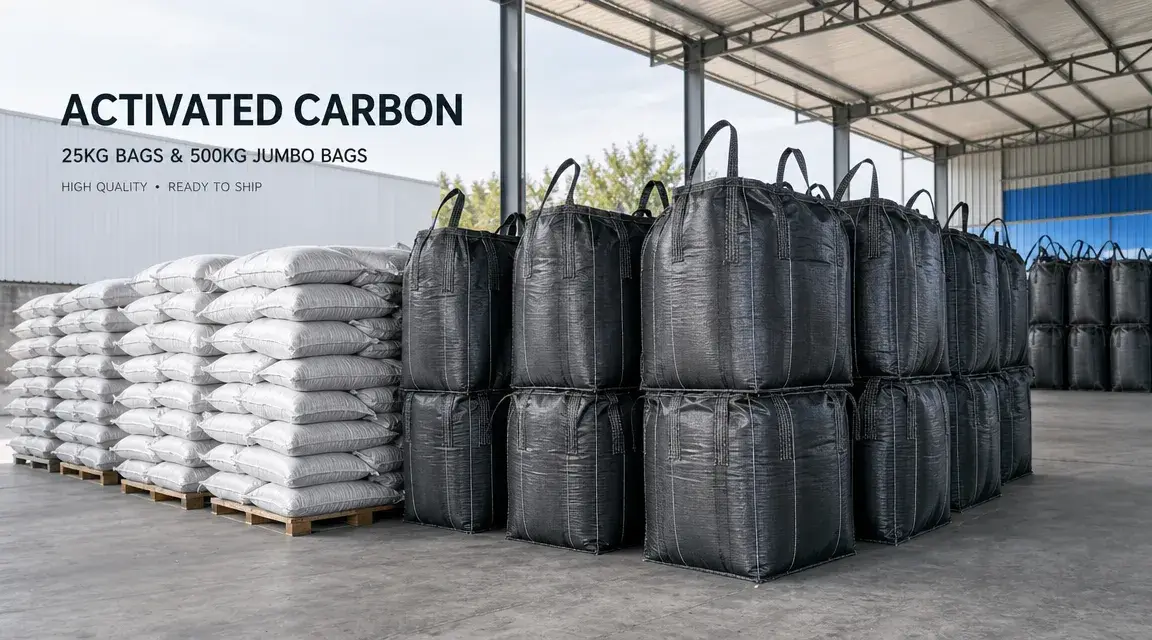
Packaging can quietly change long-term cost. 25 kg bags may be easy to distribute but require more labor. Jumbo bags can reduce handling time but need lifting equipment. Pallets can reduce damage and improve warehouse handling, but may reduce container loading quantity.
For importers and project buyers, the best packaging is the one that matches unloading, storage, and usage. A slightly higher packing cost can be justified if it reduces damage, labor, or warehouse delays.
Read Activated Carbon Packaging Options: 25kg Bags, Jumbo Bags, and Pallets before finalizing the order.
Use Trial Data When the Order Is Large
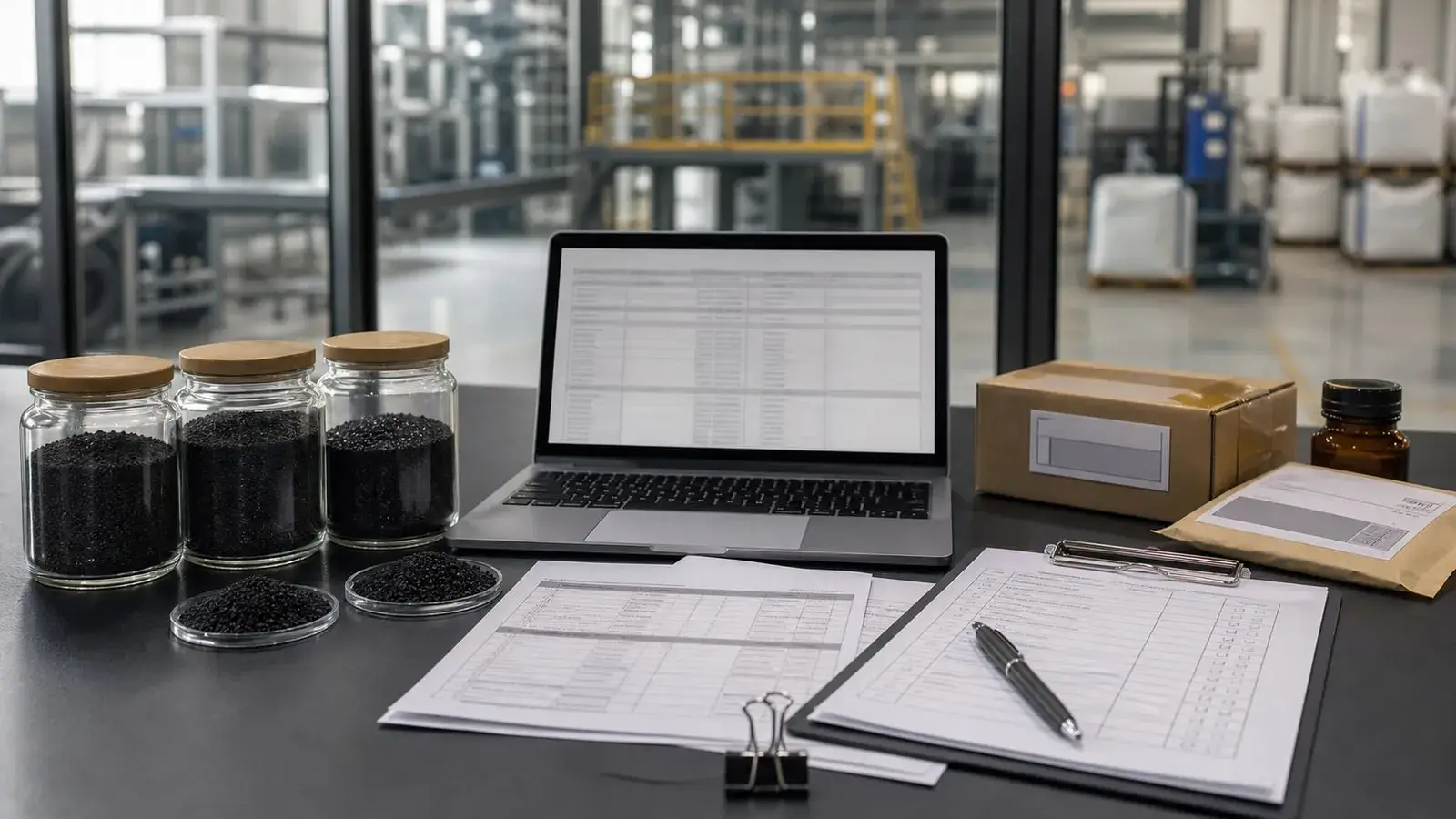
For repeat use, a small trial is often cheaper than a wrong container order. The trial does not need to be complicated. Compare the candidate grade against your current carbon or target requirement using the same process conditions.
Track the outcome that actually costs money: dosage, breakthrough time, pressure drop, dust, filtration speed, color removal, odor control, or replacement interval.
[[product:coalBased]]
Reduce Cost Before the Next Order
Before asking for a new quote, prepare three numbers: current usage per month, current replacement interval, and the main problem you want to improve. Tanjin Carbon can then compare a standard grade, a higher-performance grade, or a different packaging plan around the cost issue instead of only quoting a generic price per ton.
Sources
Interested in Our Products?
Leave us a message and we'll get back to you within 24 hours.